



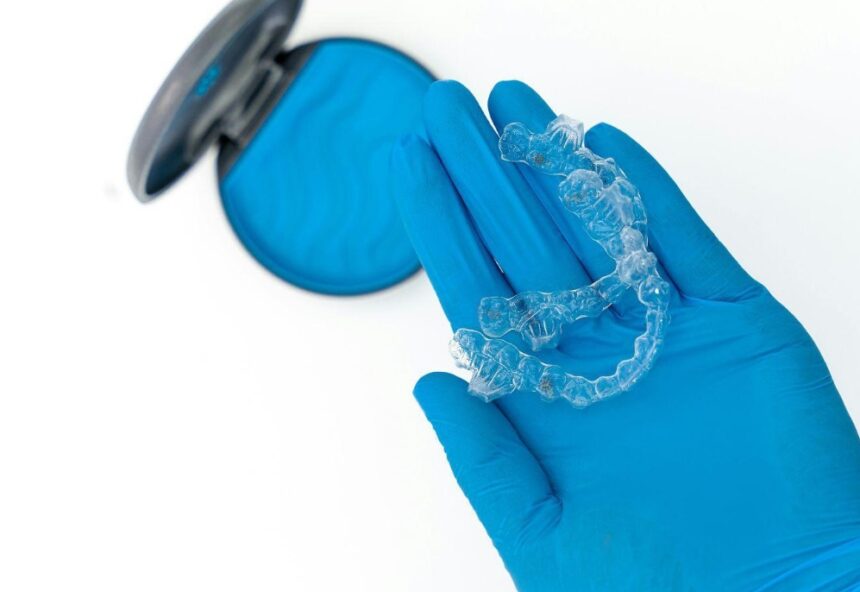
Clear aligners have changed the way many people straighten their teeth. Instead of using metal brackets and wires, patients can wear nearly invisible trays that gradually move teeth into better positions. But clear aligners today are very different from the first versions introduced years ago. New technology has introduced new tools and materials that may support treatment planning, patient comfort, and aligner design.
Modern clear aligner treatment now relies on digital tools, advanced materials, and computer-based planning. These innovations help dental professionals create detailed treatment plans and provide patients with a clearer understanding of the treatment process. As technology continues to improve, clear aligners are becoming a popular choice for both teenagers and adults.
This article explores the latest technologies that are improving clear aligners and helping support treatment planning and patient understanding throughout care.
The Evolution of Clear Aligners
Clear aligners started as a simple alternative to traditional braces. Early systems could handle only mild tooth movement, and treatment planning was less advanced. Over time, improvements in software, scanning equipment, and manufacturing methods expanded what aligners could achieve.
Advances in aligner technology have expanded the range of orthodontic cases that may be considered for aligner treatment, subject to professional assessment.
Many clinics and a clear aligner provider Australia may use advanced digital workflows that support treatment planning and patient communication.
3D Scanning Technology
Replacing Traditional Dental Impressions
One of the biggest improvements in clear aligner treatment is the use of 3D scanning technology.
In the past, patients often had to bite into trays filled with impression material to create a mold of their teeth. This process could be uncomfortable and sometimes produced impressions that required additional adjustments or retakes.
Digital scanners now create detailed three-dimensional images of the teeth and gums within minutes. The scanner captures thousands of images and combines them into a complete digital model.
Benefits of Digital Scans
Digital scans offer several advantages:
- Detailed digital measurements
- Faster appointment times
- Improved patient comfort
- Easier storage of records
- Better communication between dental teams and patients
Accurate scans provide a strong starting point for successful aligner treatment because every aligner is based on these digital models.
Artificial Intelligence in Treatment Planning
Smarter Treatment Predictions
Artificial intelligence (AI) is playing a growing role in orthodontics. AI systems can analyze large amounts of treatment data and help dental professionals create more effective treatment plans.
The software can estimate how teeth may move throughout treatment and identify areas that might need extra attention.
Visual Treatment Simulations
Many aligner systems now provide digital simulations that show patients how their teeth may look after treatment. These simulations are based on advanced algorithms that calculate planned tooth movement.
Patients often find these visual previews helpful because they can better understand the treatment process and expected outcomes.
It is important to remember that simulations are projections rather than guarantees, as individual results can vary.
Advanced 3D Printing
More Precise Manufacturing
3D printing has transformed the production of clear aligners.
Once a treatment plan is approved, digital models are created for every stage of tooth movement. These models are then produced using high-precision 3D printers.
The aligners are formed using these printed models, helping create trays that fit closely to the patient’s teeth.
Faster Production Times
Modern 3D printers can produce detailed models quickly and consistently. This helps reduce manufacturing time and supports efficient production processes.
The technology also allows dental companies to create large numbers of aligners while maintaining a high level of accuracy.
As printer technology improves, aligners continue to become more refined and reliable.
Smart Materials and New Plastics
Stronger and More Flexible Materials
The material used in clear aligners has improved significantly over the years.
Earlier aligners sometimes lost force too quickly or became less comfortable during treatment. New materials are engineered to provide a more consistent level of pressure while remaining comfortable to wear.
Better Patient Experience
Modern aligner materials can offer benefits such as:
- Improved flexibility
- Better durability
- Increased transparency
- Enhanced comfort
- More controlled tooth movement
It is widely recognised in dental practice that material science continues to evolve, with ongoing developments aimed at improving aligner performance while maintaining safety and comfort.
Digital Monitoring and Remote Care
Virtual Progress Checks
Digital monitoring tools allow patients to share progress updates without always visiting the clinic in person.
Using smartphone applications and photo submissions, dental professionals can review treatment progress remotely.
This approach may help identify issues early and support treatment monitoring between scheduled appointments.
Improved Communication
Digital platforms also make communication easier. Patients can receive reminders, instructions, and educational materials directly through mobile apps.
This helps patients stay engaged with their treatment and follow wear schedules more consistently.
Many providers, including a clear aligner provider Australia, may use digital monitoring systems to support ongoing patient care and improve convenience.
Data Analytics and Predictive Modeling
Learning From Large Treatment Databases
One of the most powerful developments in clear aligner technology is the use of data analytics.
Large databases contain information from millions of aligners and treatment stages. Researchers and developers study this information to better understand how teeth respond to different forces.
Improving Future Treatments
Predictive modeling uses historical data to improve future treatment planning.
Benefits may include:
- More accurate movement predictions
- Better aligner sequencing
- Reduced need for refinements
- Improved treatment efficiency
As more treatment data becomes available, predictive tools are expected to become even more sophisticated.
Customized Attachments and Accessories
Supporting Complex Tooth Movement
Some tooth movements are difficult to achieve with aligners alone. To address this challenge, dental professionals may use small tooth-colored attachments bonded to specific teeth.
These attachments help aligners apply force more effectively.
Increased Treatment Capabilities
Customized attachments can assist with movements such as:
- Tooth rotation
- Vertical movement
- Root positioning
- Space closure
Digital treatment planning software determines where these attachments should be placed for the best results.
This customization has expanded the range of cases that can be treated with clear aligners.
Future Innovations in Clear Aligners
Smart Aligners
Researchers are exploring the possibility of smart aligners that contain tiny sensors. These sensors could help track wear time and provide feedback about treatment progress.
Such technology may help improve patient compliance and provide additional information for dental professionals.
Enhanced Digital Integration
Future systems may combine artificial intelligence, digital monitoring, and advanced manufacturing into a more connected treatment process.
Potential developments include:
- Faster treatment planning
- Improved monitoring tools
- More advanced materials
- Greater personalization
- Enhanced patient education
While some of these technologies are still being developed, they show how quickly the field continues to progress.
Conclusion
Technology has transformed clear aligners from a simple orthodontic option into a highly advanced treatment system. Innovations such as 3D scanning, artificial intelligence, advanced 3D printing, improved materials, digital monitoring, predictive analytics, and customized attachments have helped improve accuracy and patient experience.
As research continues and new tools become available, clear aligners are likely to become even more precise and efficient. These advancements give dental professionals more ways to plan treatment carefully while helping patients better understand and manage their orthodontic journey.
This article is for educational purposes only and does not constitute dental advice. Clear aligner treatment suitability varies between individuals. Always consult a registered oral health practitioner before beginning or continuing any orthodontic treatment.