



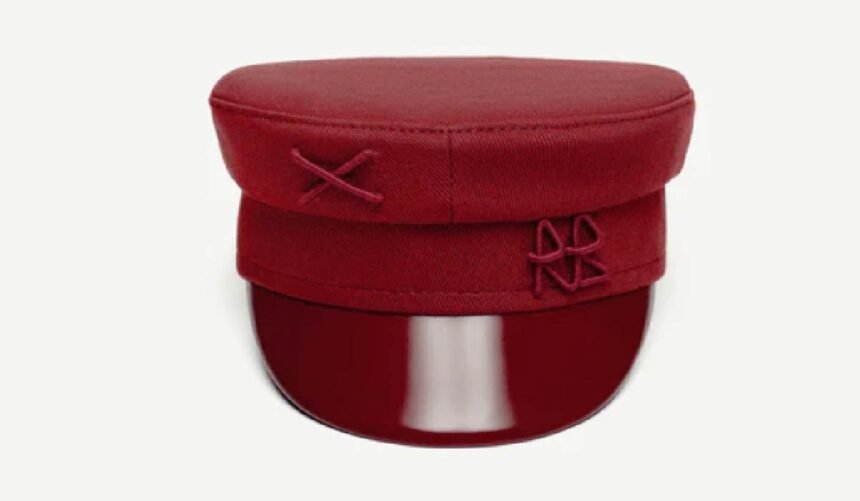
Fashion is cyclical, but some forms remain timeless, reappearing in new interpretations, each time finding a fresh context. One such example is a hat born in the working-class neighborhoods of the early 20th century and now found both on runways and city streets.
The baker boy cap has become a symbol of how a utilitarian shape can become a status accessory without a word of explanation. It doesn’t shout about itself. It’s instantly recognizable to those in the know. And that’s precisely where its longevity lies.
From a Workman’s Cap to a Luxury Silhouette
The history of this headwear began far from the catwalk — in workshops, on docks, and on the streets — where form was for function, not image. But it is this honesty of cut that has made the cap live for decades and transcend its utilitarian context.
Today, the voluminous dome and small peak are interpreted differently — as a gesture of confidence, not necessity. The shape has ceased to explain itself and has begun to speak with character. Material and fit are everything. They transform a simple shape into a piece you want to wear every day.
The Ruslan Baginskiy brand operates precisely by this principle. The shape remains recognizable, but the materials, proportions, and details make each model an independent statement rather than a repetition of an archetype. Thus, it transforms a utilitarian silhouette into a piece with character and inner logic.
Why the Shape Works in Any Season
The baker boy cap isn’t tied to a single season, style, or gender — that’s its strength. It looks equally at home with a heavy coat in winter and a light dress in summer, without losing its character and structure. This versatility stems from several factors that make the shape virtually immune to trend fluctuations:
- maintaining its shape without a rigid fit;
- pairing well with classic and casual outfits;
- working with both business and street style;
- adding structure to the silhouette;
- remaining relevant beyond trend cycles;
- being easily recognized across different cultural contexts.
This is why designers continue to return to this shape season after season, finding a new language in it rather than inventing an alternative from scratch.
An Accessory That Speaks Without Words
As visual noise becomes increasingly pervasive, true presence belongs to what speaks without explanation. The baker boy cap works precisely like that. It doesn’t argue its status but conveys it through its shape, material, and the context in which it appears. It’s not a piece for everyone, but one for those who already understand the code and can read details.
This approach is especially evident in brands that build collections around headwear as a standalone category, rather than an accessory to an outfit. Ruslan Baginskiy exemplifies that the cap ceases to be a “just in case” accessory and becomes part of personal style that is immediately apparent, without unnecessary explanation.
Conclusion
The baker boy cap has evolved from a work necessity to one of the most recognizable pieces in the modern wardrobe. The piece continues this evolution without unnecessary fuss, staying relevant through the honesty of its form and the confidence of the way it is worn.
That’s why the conversation about it never ends. It merely changes tone with each new season, leaving room for new interpretations.