



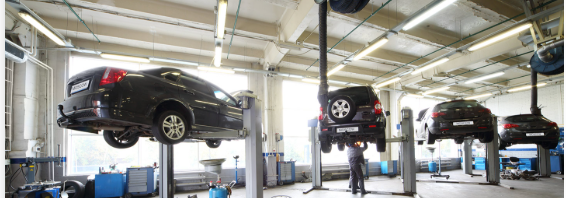
Many UAE drivers visit a garage only after the car starts overheating, the AC fails, the brakes make noise, or a warning light appears. That delay can turn a small fault into a serious repair. An experienced car repair garage does more than replace parts. It checks the reason behind the issue, confirms safety risks, and advises the right repair order. This article explains the main services car repair garages offer in UAE, so drivers can understand what to expect before booking a workshop visit.
What Services Do Car Repair Garages Offer in UAE?
Car repair garages in UAE usually handle inspection, servicing, diagnostics, mechanical repair, AC repair, brakes, tyres, battery, suspension, electrical work, gearbox issues, and body repair. The best garages focus on finding the fault first, then repairing it properly.
A garage service should begin with the driver’s complaint. If the car is vibrating, overheating, pulling to one side, making brake noise, or showing a dashboard warning, the technician should inspect that exact concern before recommending parts.
UAE driving conditions make garage services more important. High heat, dusty roads, heavy traffic, long idle time, and constant AC use can place extra pressure on the cooling system, battery, tyres, brakes, and engine fluids.
Many garages offer routine maintenance and repair under one roof. That means the same workshop can handle an oil change, brake pad replacement, AC inspection, battery test, diagnostic scan, engine repair, and suspension check.
Drivers looking for Full Car Repairs and Service in Sharjah should make sure the garage covers both preventive service and actual repairs. A full garage visit should not feel like a quick oil change only.
Step 1: General Car Inspection and Diagnosis
A proper garage visit starts with a full inspection. This helps identify visible wear, hidden faults, warning-light issues, and urgent safety concerns before any repair estimate is prepared.
The technician should inspect the engine bay, undercarriage, tyres, brakes, fluids, belts, hoses, battery terminals, lights, and visible leaks. This first check gives a clear picture of the car’s condition.
A diagnostic scan is also important for modern vehicles. It can detect stored fault codes from the engine, transmission, ABS, airbag, sensors, emissions system, and electrical modules.
The scan should not replace mechanical experience. A skilled technician reads the fault code, checks the physical system, tests the part, and confirms whether the issue is active or historic.
This step protects the driver from guesswork. Without diagnosis, a garage may replace parts that are not causing the actual problem.
Step 2: Oil Change and Routine Service
Routine service is one of the most common services offered by car repair garages. It helps protect the engine, improve reliability, and reduce the chance of sudden breakdowns.
A standard service usually includes engine oil replacement, oil filter replacement, air filter check, cabin filter check, fluid top-up, tyre pressure check, and basic safety inspection. Some packages may also include rotation or diagnostics.
The oil grade should match the vehicle manufacturer’s recommendation. In UAE heat, poor oil quality or the wrong viscosity can reduce lubrication and increase engine wear.
The air filter should be checked because dust can block airflow and affect engine performance. A dirty filter can reduce fuel efficiency and make the engine feel less responsive.
The cabin filter also matters. A clogged cabin filter can reduce AC airflow, create bad smells, and make the blower work harder during hot weather.
Step 3: Engine Repair and Performance Checks
Engine repair services are needed when the car loses power, misfires, overheats, consumes oil, stalls, or produces unusual smoke. These symptoms should be checked before they turn into major engine damage.
Garages usually inspect spark plugs, ignition coils, fuel injectors, belts, hoses, sensors, engine mounts, cooling components, and compression-related issues. The exact work depends on the symptoms and diagnostic results.
A rough idle may come from worn spark plugs, weak ignition coils, air leaks, dirty throttle body, or sensor faults. A good mechanic should test before replacing parts.
Overheating needs special attention in UAE. The issue may come from low coolant, a leaking hose, a weak radiator fan, a thermostat fault, a water pump problem, or a blocked radiator.
Engine repair should always include a clear explanation. The garage should show what failed, why it matters, and whether the repair is urgent or preventive.
Step 4: AC Repair for UAE Driving Conditions
AC repair is one of the most requested garage services in UAE. A weak AC system can make daily driving difficult and may also point to airflow, pressure, compressor, or cooling fan problems.
A proper AC service should check refrigerant level, compressor function, condenser condition, evaporator performance, cabin filter, blower motor, cooling fan, leaks, and AC temperature output.
If the AC is blowing warm air, the issue may not be solved by gas refill only. The system may have a leak, blocked condenser, faulty compressor, weak fan, or damaged sensor.
Bad smells from the vents may come from moisture, bacteria buildup, or a dirty cabin filter. Weak airflow can come from a clogged filter, blower fault, or blocked ducts.
A garage should test the AC system before recommending major parts. This is important because AC compressors, evaporators, and condensers can be costly.
Drivers booking Car Repair and Maintenance in Dubai should treat AC inspection as a core service, not an optional comfort check.
Step 5: Brake Repair and Safety Checks
Brake repair is a critical garage service because it directly affects stopping distance, control, and road safety. Any brake noise, vibration, or soft pedal should be checked quickly.
A brake service should inspect brake pads, discs, calipers, brake fluid, brake lines, ABS sensors, handbrake function, and pedal response. A visual glance is not enough.
Squeaking may come from worn pads, dust, glazing, or hardware issues. Grinding usually means the pads may be badly worn and the discs could already be damaged.
Vibration while braking can point to warped discs, uneven disc wear, wheel issues, or suspension movement. A mechanic should test drive the car if needed.
Brake fluid condition is also important. Old or contaminated fluid can reduce braking performance and should be replaced according to the correct interval.
Step 6: Battery and Electrical Repairs
Battery and electrical services are common in UAE because heat can shorten battery life. A weak battery can cause hard starting, dim lights, warning lights, and sudden breakdowns.
A garage should test battery voltage, load capacity, alternator output, starter motor response, terminals, fuses, relays, wiring, lights, sensors, and charging system condition.
Replacing the battery without checking the alternator can lead to repeat failure. If the charging system is weak, the new battery may drain again.
Modern vehicles depend heavily on electrical systems. Parking sensors, cameras, infotainment, windows, lighting, ignition, fuel systems, and safety modules all need stable voltage.
Electrical faults need careful tracing. A professional garage should use proper testing tools instead of guessing from symptoms only.
Step 7: Tyre, Wheel, and Alignment Services
Tyre and wheel services help protect road grip, steering control, fuel efficiency, and braking stability. UAE roads and heat can make tyre condition a serious safety factor.
Garages usually offer tyre pressure checks, tyre replacement, puncture repair, wheel balancing, alignment, rotation, valve replacement, and tread inspection. These services should be part of regular maintenance.
Uneven tyre wear can indicate poor alignment, worn suspension parts, incorrect pressure, or lack of rotation. It should not be ignored.
Wheel balancing is needed when the steering wheel vibrates at speed. Alignment is needed when the car pulls to one side or the tyres wear unevenly.
The garage should also check tyre age and sidewall condition. Heat can make old tyres more risky, even if the tread still looks acceptable.
Step 8: Suspension and Steering Repairs
Suspension and steering repairs are needed when the car feels unstable, makes knocking noises, pulls to one side, or feels harsh over bumps. These systems affect comfort and safety.
A garage should inspect shock absorbers, struts, control arms, bushes, ball joints, tie rods, steering rack, wheel bearings, CV boots, and suspension mounts.
Knocking sounds may come from worn bushes, ball joints, stabilizer links, or shock mounts. The sound should be checked on a lift and during a road test.
Steering vibration may come from wheel balance, bent wheels, tyre defects, steering components, or suspension wear. The cause should be confirmed before replacing parts.
Suspension issues can also damage tyres faster. That is why tyre wear and suspension inspection should often be done together.
Step 9: Transmission and Gearbox Support
Transmission services are needed when the car jerks, slips, delays gear changes, makes whining sounds, or shows gearbox warning signs. These issues should be checked early.
Garages may inspect transmission fluid, gearbox mounts, sensors, clutch systems, mechatronic units, torque converter symptoms, leaks, and software-related faults depending on the vehicle type.
Automatic transmission problems need careful diagnosis. Low fluid, dirty fluid, overheating, faulty sensors, or internal wear can create similar symptoms.
Manual transmission issues may involve clutch wear, pressure plate problems, gear engagement faults, or hydraulic system leaks.
The garage should not rush gearbox repair without testing. Transmission work can be expensive, so diagnosis and written explanation are important.
Step 10: Bodywork, Paint, and Accident Repair
Many car repair garages also provide body repair services for scratches, dents, bumper damage, accident repairs, panel replacement, and paint restoration. This helps restore appearance and structure.
Bodywork services may include dent repair, bumper repair, paint matching, polishing, panel alignment, chassis checks, headlight restoration, and insurance repair support.
Small dents and scratches can often be repaired without major panel replacement. Larger accident damage may need deeper inspection to check hidden structural issues.
Paint matching is important because poor colour blending can make the repaired area obvious. A good garage should use proper preparation and finishing methods.
After accident repair, the vehicle should be checked for alignment, suspension damage, radiator support issues, sensor damage, and warning lights.
Step 11: Pre-Purchase and Roadworthiness Checks
Some garages offer pre-purchase inspection for used cars. This service helps buyers understand the real condition before paying for a vehicle.
A pre-purchase check should inspect engine condition, gearbox behaviour, chassis signs, accident repairs, paint thickness, suspension, brakes, tyres, leaks, AC, electronics, and diagnostic codes.
This is useful in UAE because many used cars look clean from outside but may have hidden mechanical, electrical, or body repair history.
A garage should provide a clear report with urgent issues, future maintenance concerns, and possible repair costs. This helps the buyer negotiate or walk away.
Roadworthiness checks also help current owners prepare for registration renewal, long drives, or seasonal maintenance before summer.
Step 12: Pickup, Drop-Off, and Service Reports
Many UAE garages now offer pickup, drop-off, online quotes, inspection photos, approval messages, and digital reports. These services make repair easier for busy drivers.
The important part is not only convenience. The garage should still provide transparent inspection, clear pricing, customer approval, and documented repair details before starting work.
A good report should mention the issue, the inspected parts, the recommended repair, the urgency level, and the estimated cost. This protects the customer from confusion.
Pickup and drop-off can save time, but the driver should still ask for photos or videos when major repairs are recommended.
The best service process is simple. Inspect the car, share findings, confirm the price, get approval, complete the repair, test the car, and provide a final report.
What Makes a Garage Worth Trusting?
A trusted garage does not only offer many services. It explains the problem clearly, uses correct parts, gives transparent pricing, and separates urgent repairs from optional recommendations.
The first sign of a good garage is proper diagnosis. If the technician cannot explain why a part needs replacement, the driver should ask for more detail.
The second sign is written approval before work begins. No major repair should be completed without the customer knowing the cost and reason.
The third sign is quality parts. Some repairs may use genuine parts, OEM parts, or aftermarket parts, but the garage should explain the difference honestly.
The fourth sign is a road test after work. A car should not be handed back without checking whether the original problem was solved.
A reliable UAE garage should feel structured, not rushed. The goal should be safer driving, fewer repeat visits, and better long-term vehicle care.
Frequently Asked Questions
How do I know if my car needs repair or service?
Service is usually planned by mileage or time, while repair is needed when something fails. Warning lights, weak AC, brake noise, vibration, overheating, leaks, or poor starting usually mean the car needs inspection.
Can a garage check a used car before buying?
Yes, many garages offer pre-purchase inspection. They check engine health, gearbox behaviour, accident signs, paintwork, suspension, brakes, tyres, AC, electronics, leaks, and diagnostic codes before the buyer makes a decision.
Why does my car AC stop cooling in UAE heat?
Common causes include low refrigerant, AC leaks, clogged cabin filter, blocked condenser, compressor weakness, faulty cooling fan, or electrical sensor issues. A proper AC test should find the cause before gas refill.
What should I ask before approving a repair?
Ask what failed, why it failed, whether the repair is urgent, what parts will be used, how long it will take, and whether the garage provides a report or warranty on the completed work.
Are mobile car repair services enough for all problems?
Mobile service is useful for battery replacement, minor service, oil change, basic diagnostics, and simple checks. Major repairs, gearbox work, suspension repair, AC leak repair, and bodywork usually need a workshop.