



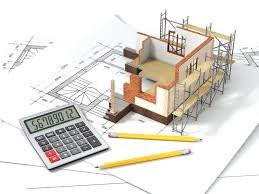
One of the first questions any homeowner asks when considering an extension is how much it will cost. It is also one of the hardest questions to answer accurately without detailed knowledge of the specific property, the local market, and the full scope of what the project involves. A house extension cost calculator provides a useful starting point, giving homeowners a realistic order of magnitude before significant time or money is invested in developing detailed proposals. Understanding what these tools can and cannot tell you, and how to move from an initial estimate to a figure you can actually build a budget around, is what this article addresses. Extension Architecture provides dedicated tools and expertise to help homeowners establish realistic cost expectations from the very beginning of the project journey.
What a Cost Calculator Actually Tells You
A house extension cost calculator produces an estimate based on inputs the homeowner provides, typically the size of the proposed extension, the type of construction, the location of the property, and sometimes the specification level. The output is a range rather than a precise figure, reflecting the genuine variability of extension costs across factors that a calculator cannot fully account for.
What a calculator does well is establish whether a project is in the right financial territory before detailed design work begins. A homeowner who discovers that the cost range for their extension type significantly exceeds their available budget has learned something valuable at very low cost. One whose budget aligns with the calculator range can proceed to the next stage with confidence that the project is financially viable in principle.
What a calculator cannot do is produce the precise cost figure that a detailed proposal from a contractor with full knowledge of the specific site can deliver. Structural conditions, ground conditions, existing services that need rerouting, and specification decisions not yet made all affect the final cost in ways no calculator can anticipate.
Single Storey Extension Costs: The Key Variables
Single storey rear extensions are the most commonly undertaken extension type across the UK, and their costs vary more widely than online guides typically suggest. For a detailed breakdown of what to expect, the single story extension cost calculator from Extension Architecture provides a more specific starting point for this project type.
Size is the most obvious variable but not always the most significant one. Preliminary costs including scaffolding, site establishment, and project management are relatively fixed regardless of extension size, representing a higher proportion of total cost for smaller extensions than larger ones.
Structural complexity frequently causes the greatest divergence between initial estimates and final costs. A single storey extension requiring a complex foundation solution due to poor ground conditions, tree root proximity, or existing drainage conflicts will cost significantly more than one on straightforward ground. A pre-construction ground investigation provides the information needed to price this element accurately rather than provisionally.
Glazing specification is the decision that most visibly affects cost at the client’s discretion. The difference between a mid-range sliding door system and a premium bi-fold configuration from a specialist manufacturer can be considerable, and this choice sits entirely within the homeowner’s control.
Moving From Calculator Estimate to Realistic Budget
The journey from a cost calculator estimate to a budget that can be committed to with confidence involves several stages no online tool can replace. A feasibility assessment confirming what the site and planning framework will support. A structural survey identifying site-specific conditions affecting the foundation approach. A detailed design resolving specification decisions that drive cost variability. And a fixed price proposal from a contractor with full knowledge of all of the above.
This process takes time and involves professional fees. But the investment in reaching an accurate figure before committing to a contract is consistently repaid by the reduction in variations and surprises during the build that thorough pre-construction work delivers.
The Variation Problem Nobody Warns You About
Any cost estimate that focuses only on the initial figure and ignores variations misses one of the most significant drivers of final project cost. Variations are additional costs generated when the scope changes during the build, either because something unexpected is discovered or because specification decisions were left unresolved at contract stage.
Well-specified extensions with thorough pre-construction surveys generate fewer variations because there is less ambiguity to resolve once work begins. The most genuinely affordable extension is almost always the one with the most thorough preparation, not the lowest initial estimate.
Extension Architecture’s Approach to Cost Transparency
Extension Architecture provides cost guidance at every stage of the project journey, from initial calculator estimates through feasibility assessments to detailed fixed price proposals grounded in thorough pre-construction knowledge. For homeowners ready to move beyond a calculator estimate and toward a budget they can rely on, Extension Architecture is the partner that makes that journey as efficient and accurate as possible.