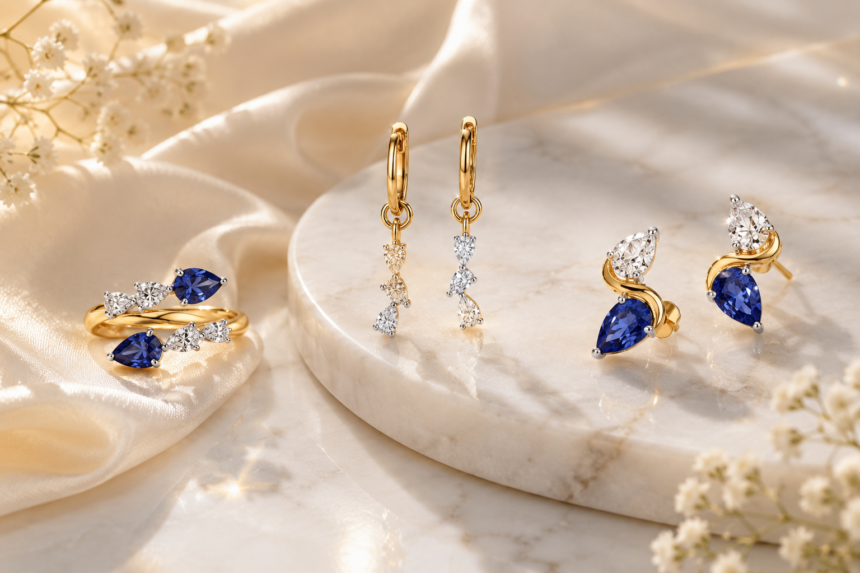
Luxury jewelry used to feel reserved for major occasions. People saved fine jewelry for weddings, formal dinners, or milestone celebrations. Daily outfits rarely included diamonds or statement gold pieces. That mindset changed completely over the last decade. Consumers now want luxury accessories they can wear regularly instead of storing in a jewelry box. That shift explains why collections like phillips house jewelry continue attracting shoppers looking for elegant pieces that feel wearable, modern, and versatile enough for everyday styling.
The definition of luxury has evolved.
People no longer associate fine jewelry only with special events. Today, luxury jewelry often functions as part of daily personal style.
That transformation reshaped the entire jewelry industry.
Why Consumers Are Buying Fewer, Better Pieces
Fast fashion influenced shopping habits for years. Consumers purchased large amounts of inexpensive accessories because trends changed constantly.
The problem was quality.
Cheap jewelry often:
- Tarnished quickly
- Lost stones easily
- Felt uncomfortable
- Broke after repeated wear
- Looked outdated within months
Consumers became frustrated with constantly replacing accessories.
That frustration pushed buyers toward higher-quality jewelry designed for longevity.
Modern shoppers increasingly prefer:
- Timeless designs
- Better materials
- Daily wearability
- Strong craftsmanship
- Long-term versatility
The focus shifted from quantity to quality.
Everyday Luxury Became A Major Trend
Luxury fashion changed significantly after social media transformed style culture.
Consumers started mixing elevated accessories with casual clothing instead of reserving luxury pieces for formal looks.
Today, people commonly pair fine jewelry with:
- White t-shirts
- Denim
- Oversized blazers
- Knit sets
- Sneakers
- Minimal dresses
This styling approach makes luxury feel more approachable and integrated into daily life.
Jewelry became part of everyday identity rather than occasional glamour.
Why Minimal Fashion Increased Jewelry’s Importance
Minimal clothing trends created more attention around accessories.
Neutral wardrobes dominate current fashion:
- Black trousers
- White tanks
- Beige coats
- Straight-leg jeans
- Monochrome outfits
Simple clothing creates space for jewelry to stand out more.
A clean outfit often relies on accessories to feel polished and intentional.
That shift increased demand for jewelry that feels sophisticated without overwhelming the look.
Consumers now want pieces that elevate basics effortlessly.
Layering Changed Jewelry Styling Completely
Layered jewelry became one of the most influential styling trends in modern fashion.
Consumers moved away from wearing single statement pieces and started building curated combinations instead.
Layering includes:
- Multiple necklaces
- Stacked rings
- Mixed bracelet textures
- Layered chain lengths
- Delicate earrings combined together
The trend works because it creates personalization.
Two people can wear similar jewelry in completely different ways.
That flexibility increased interest in versatile fine jewelry collections.
Why Consumers Want Jewelry They Can Wear Daily
Modern buyers think carefully about cost per wear.
People increasingly ask:
- Can I wear this regularly?
- Does it work with casual outfits?
- Will it still look relevant in five years?
- Is it comfortable enough for daily use?
That mindset changed jewelry purchasing behavior significantly.
Consumers want luxury pieces that fit naturally into routines instead of sitting untouched in storage.
Daily wearability became one of the most important factors in luxury shopping.
Quiet Luxury Influenced Jewelry Trends
Quiet luxury strongly shaped modern fashion preferences.
Consumers moved away from loud logos and trend-heavy designs. Instead, they started prioritizing understated elegance.
Quiet luxury focuses on:
- Quality craftsmanship
- Refined materials
- Minimal branding
- Timeless silhouettes
- Sophisticated simplicity
Fine jewelry fits naturally into this movement because it adds polish without looking overly flashy.
Consumers increasingly prefer accessories that feel elegant instead of attention-seeking.
Why Gold Jewelry Remains Dominant
Gold jewelry continues dominating the luxury market for several reasons.
Timeless Appearance
Gold rarely feels outdated.
Versatile Styling
Gold pairs easily with casual and formal outfits.
Layering Flexibility
Gold chains, rings, and bracelets combine naturally together.
Warm Tones
Gold flatters many skin tones and photographs beautifully.
These qualities make gold jewelry especially attractive for everyday wear.
Consumers want pieces that remain easy to style across different seasons and trends.
Social Media Changed Jewelry Shopping
Instagram and TikTok transformed how consumers discover jewelry.
Before social media, shoppers mainly relied on department stores, magazines, or local jewelers. Today, buyers discover trends through:
- Styling videos
- Influencer content
- Jewelry close-ups
- Outfit tutorials
- Layering inspiration posts
Jewelry performs extremely well online because it creates visual detail in photos and videos.
Small accessories suddenly became major fashion focal points.
Consumers started paying closer attention to craftsmanship, styling combinations, and versatility.
Why Emotional Value Matters More Now
Consumers increasingly want purchases with emotional significance.
Jewelry naturally carries emotional weight because it often represents:
- Personal milestones
- Relationships
- Achievements
- Family history
- Important memories
That emotional connection gives fine jewelry a stronger long-term value than trend-based accessories.
People wear meaningful pieces repeatedly because they feel personally connected to them.
This emotional attachment influences buying decisions heavily.
Why Comfort Became More Important In Luxury Fashion
Luxury consumers no longer tolerate uncomfortable fashion.
People expect high-end products to feel wearable and functional.
Jewelry buyers now prioritize:
- Lightweight designs
- Smooth finishes
- Comfortable clasps
- Easy layering
- Daily practicality
Comfort became essential because consumers want luxury integrated into normal routines instead of occasional styling moments.
That expectation reshaped jewelry design priorities across the industry.
The Rise Of Intentional Shopping
Consumers became far more intentional about purchases over the past few years.
People increasingly research:
- Materials
- Brand philosophy
- Styling longevity
- Craftsmanship quality
- Versatility
Impulse buying declined in many luxury categories.
Consumers now prefer carefully selected pieces with stronger long-term value.
That shift benefits jewelry brands focused on timeless aesthetics instead of trend cycles.
Why Diamond Jewelry Feels Different Today
Diamond styling changed dramatically.
Traditional diamond jewelry often emphasized formal elegance. Modern styling feels much more relaxed.
Consumers now wear diamonds with:
- Denim jackets
- Casual sweaters
- Sneakers
- Everyday gold chains
- Minimal makeup looks
This relaxed styling approach made diamond jewelry feel more accessible for daily life.
The goal is polished sophistication instead of overly formal glamour.
Jewelry Became Part Of Personal Identity
Modern fashion strongly overlaps with self-expression.
Consumers use jewelry to communicate:
- Personality
- Style preferences
- Emotional connections
- Lifestyle aesthetics
- Attention to detail
Jewelry became one of the easiest ways to personalize minimal wardrobes.
Small accessories can dramatically influence how an outfit feels overall.
That subtle impact makes fine jewelry especially powerful in modern fashion.
Why Capsule Wardrobes Increased Jewelry Demand
Capsule wardrobes became increasingly popular as consumers moved toward minimalist fashion.
People now buy fewer clothing items overall. Accessories help create styling variety without requiring entirely new outfits.
Jewelry allows the same clothing pieces to feel different depending on styling combinations.
A simple black dress can feel:
- Casual with layered chains
- Elegant with diamonds
- Modern with stacked bracelets
- Minimal with delicate gold jewelry
This versatility makes fine jewelry valuable for repeat wear.
Why Consumers View Jewelry As Investment Fashion
Consumers increasingly view quality jewelry as long-term investment fashion instead of temporary trend purchases.
Several factors support this mindset:
Longevity
Well-made jewelry lasts for years.
Styling Flexibility
Timeless pieces remain wearable across trends.
Emotional Attachment
Meaningful jewelry often becomes sentimental.
Material Value
Fine materials maintain perceived worth better than costume jewelry.
This perspective encourages more intentional luxury purchasing behavior.
The Influence Of “Effortless” Style
Modern fashion emphasizes looking polished without appearing overly styled.
Consumers increasingly prefer aesthetics that feel:
- Natural
- Relaxed
- Sophisticated
- Understated
- Easy
Fine jewelry supports this perfectly.
Simple gold or diamond pieces elevate outfits subtly without dominating the overall look.
That balance aligns strongly with current fashion preferences.
Why Jewelry Makes Such A Strong Gift Category
Jewelry remains one of the most emotionally powerful luxury purchases.
People associate fine jewelry with important life moments:
- Birthdays
- Anniversaries
- Promotions
- Graduations
- Engagements
- Personal achievements
The emotional symbolism creates lasting sentimental value.
Consumers often keep meaningful jewelry for decades.
That permanence separates fine jewelry from many other fashion categories.
The Future Of Luxury Jewelry
Luxury jewelry will likely continue moving toward versatility and personalization.
Consumers increasingly want pieces that feel:
- Timeless
- Comfortable
- Wearable daily
- Layer-friendly
- Emotionally meaningful
The industry is shifting away from occasional statement dressing and toward integrated everyday luxury.
That change reflects broader lifestyle trends focused on intentional consumption and personal expression.
Why Everyday Fine Jewelry Continues Growing
Modern consumers want products that fit naturally into real life.
They no longer want luxury reserved only for special occasions.
People increasingly value:
- Daily wearability
- Timeless design
- Emotional connection
- Styling versatility
- Long-term quality
Jewelry that combines those qualities creates much stronger long-term appeal than trend-driven accessories.
That is exactly why modern fine jewelry collections continue to stand out in today’s fashion landscape.