



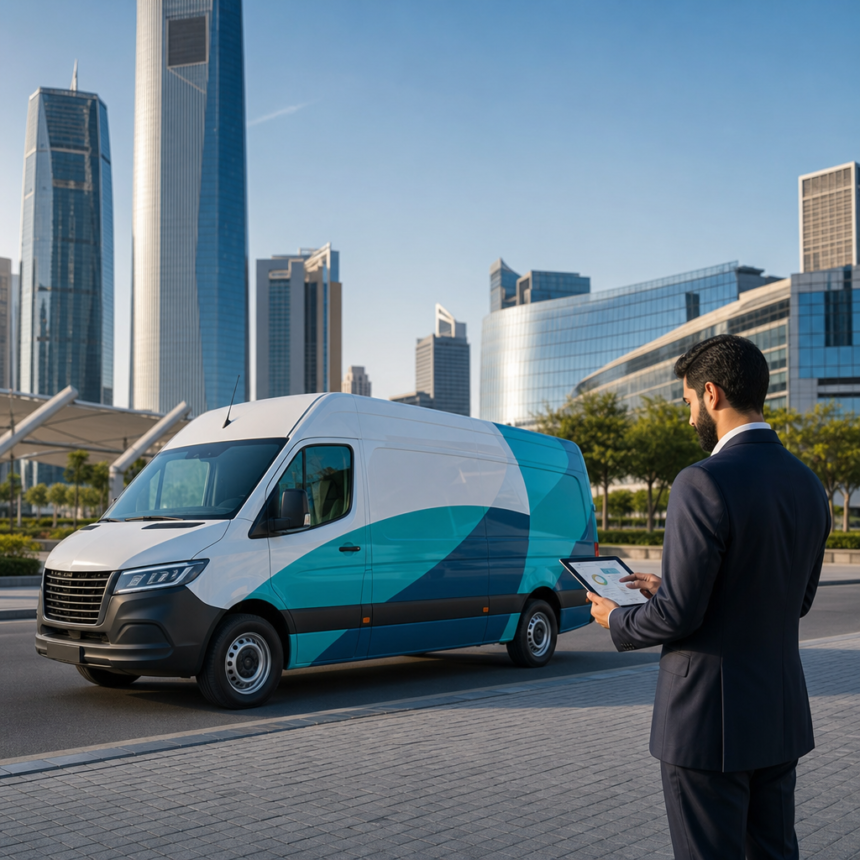
Brand visibility has never been more competitive. Businesses of every size are searching for ways to cut through the noise, reach audiences in unexpected places, and build lasting impressions without exhausting their marketing budgets. In this environment, the most effective strategies tend to combine physical presence with digital amplification — a pairing that is reshaping how companies think about their outreach. From wrapped vehicles rolling through city streets to AI-generated video content circulating on social media, the tools available to modern marketers are both diverse and powerful. Understanding how to deploy them together is what separates brands that grow from brands that stagnate.
The Enduring Power of Physical Brand Presence
There is something undeniably compelling about a brand that occupies physical space. Digital advertising can be scrolled past, blocked, or simply ignored, but a vehicle wrapped in bold, professionally designed graphics commands attention in a way that no banner ad can replicate. Fleet graphics have evolved significantly over the past decade, moving from simple logo placements to full-vehicle transformations that function as moving billboards. The return on investment is substantial — a single wrapped vehicle can generate tens of thousands of visual impressions per day, depending on the routes it travels and the density of the areas it covers.
For businesses operating multiple vehicles, the cumulative effect is even more pronounced. A fleet of consistently branded vehicles creates a sense of scale and professionalism that resonates with customers and prospects alike. It signals that a company is established, invested in its identity, and serious about its market presence. Whether a business operates delivery vans, service trucks, or company cars, the visual consistency of a well-executed fleet wrap program reinforces brand recognition at every turn — literally.
Designing for Maximum Impact on the Road
Effective fleet graphics are not simply about slapping a logo on a door panel. They require thoughtful design that accounts for vehicle shape, viewing distance, and the split-second nature of roadside impressions. Color contrast, typography scale, and message hierarchy all play critical roles in ensuring that a wrapped vehicle communicates its core message before the viewer has even fully registered what they are looking at. The best designs are bold, clean, and immediately legible — qualities that demand both creative skill and technical knowledge of how vinyl wraps behave across different vehicle surfaces.
Businesses looking to develop or refine their fleet branding strategy will find significant value in consulting a comprehensive fleet graphics guide that covers everything from material selection and design principles to installation best practices and maintenance. Having a structured reference point ensures that decisions are made with full awareness of the options available and the trade-offs involved, rather than relying on guesswork or incomplete information.
Bridging Physical and Digital: The New Marketing Imperative
While fleet graphics excel at capturing attention in the physical world, the most forward-thinking brands are finding ways to extend that visibility into digital channels. A striking vehicle wrap, for instance, can become the centerpiece of a social media campaign — photographed, shared, and discussed by customers who encounter it in the wild. This organic amplification turns a one-time investment in physical branding into a recurring source of digital content, multiplying its value many times over.
This is where emerging digital tools become particularly relevant. Small and medium-sized businesses, in particular, are discovering that they can produce high-quality marketing content without the overhead of a full production team. For those exploring these possibilities, AI-powered video creation for small business marketing offers an accessible entry point into content production that would previously have required significant resources. By combining visually compelling fleet imagery with AI-generated video content, businesses can maintain a consistent brand presence across both physical and digital touchpoints.
Content Strategy That Starts on the Street
The integration of physical and digital marketing is not merely a tactical convenience — it reflects a deeper shift in how audiences consume brand messaging. People encounter brands in fragmented ways, across multiple contexts and platforms, and the brands that make the strongest impressions are those that maintain coherence across all of them. A vehicle wrap that is photographed and shared on Instagram, then featured in a short promotional video on YouTube, then referenced in a local news story about a community event creates a web of touchpoints that reinforces recognition and builds trust over time.
Developing a content strategy that deliberately leverages fleet graphics as a visual asset — rather than treating them as a standalone investment — requires a shift in perspective. Marketing teams should think about how vehicle imagery can be incorporated into seasonal campaigns, product launches, and community initiatives. The vehicles themselves become characters in the brand story, familiar and recognizable to the communities they serve.
Experiential Trends Shaping Brand Engagement
The broader marketing landscape is also evolving in ways that favor brands with strong physical identities. Experiential marketing — the practice of creating memorable, immersive brand encounters — is experiencing a significant resurgence. According to emerging experiential event trends for 2025, brands are increasingly investing in activations that create genuine emotional connections with audiences, moving beyond passive advertising toward participatory experiences that leave lasting impressions. Fleet graphics fit naturally into this paradigm, serving as mobile brand activations that bring the brand directly to the audience rather than waiting for the audience to come to the brand.
From Passive Impressions to Active Engagement
The distinction between passive and active brand engagement is becoming increasingly important. A vehicle wrap generates passive impressions — it is seen, registered, and filed away in the viewer’s memory. But when that same vehicle is present at a community event, a trade show, or a product demonstration, it becomes part of an active experience. The visual identity reinforces the live interaction, and the live interaction gives meaning to the visual identity. This synergy between physical branding and experiential marketing is one of the most underutilized opportunities available to businesses with fleet assets.
About Craftsmen Industries
Craftsmen Industries is a recognized leader in custom vehicle wraps, fleet graphics, and specialty fabrication for businesses across a wide range of industries. With decades of experience and a commitment to quality craftsmanship, the company helps brands transform their vehicles into powerful marketing assets that generate real-world visibility and lasting impressions. Their team of designers and installation specialists works closely with clients to develop fleet branding solutions that are both visually compelling and built to withstand the demands of daily use. From concept to completion, Craftsmen Industries brings expertise and precision to every project, ensuring that each vehicle wrap delivers maximum impact on the road.
Conclusion: Building a Brand That Moves
In a marketing environment defined by fragmentation and noise, the brands that succeed are those that show up consistently — in the physical world, in digital spaces, and in the lived experiences of their customers. Fleet graphics represent one of the most cost-effective and high-impact tools available for building that kind of omnipresent brand identity. When combined with smart digital content strategies and an awareness of broader experiential trends, they become part of a cohesive marketing ecosystem that works continuously on behalf of the business. The vehicles are already on the road. The question is whether they are working as hard as they could be.