



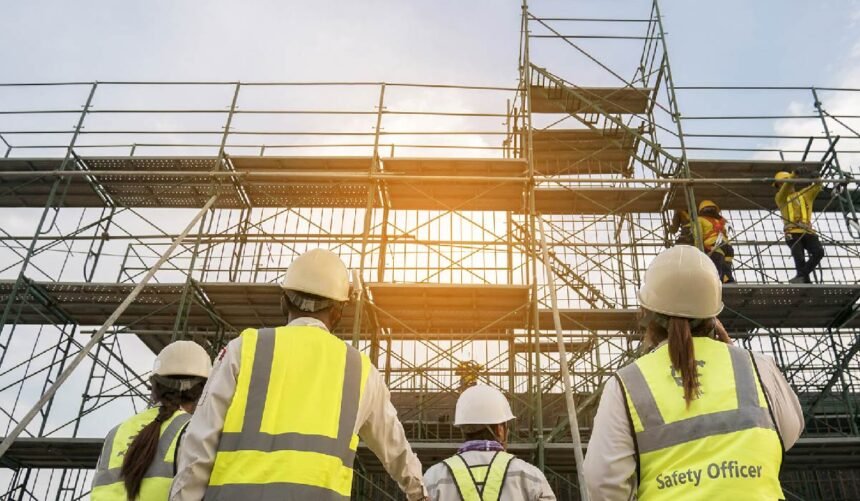
Maintaining a safe space on a construction site is a responsibility that goes beyond compliance. In the past, managing safety protocols relied heavily on manual checklists and physical folders, which led to critical information being overlooked. This article examines the vital role that digital solutions play in modernising how your firm handles risk assessments, incident reporting, and site security.
Achieving Seamless Compliance with Industry Regulations
Navigating the complex landscape of health and safety laws requires an approach to documentation that is difficult to sustain with paper-based methods. Modern software keeps your business aligned by providing templates and prompts that ensure no detail is missed. You can easily update your protocols as new guidelines are released, ensuring that your entire team is working according to the safety standards.
Improving Incident Reporting and Rapid Response
When an accident or a near-miss occurs on-site, the speed and accuracy of the subsequent report are crucial for preventing a similar occurrence in the future. Digital tools allow your supervisors to log incidents using their smartphones, capturing photos and witness statements. This real-time data entry ensures that the team is notified, allowing for a swift investigation and the implementation of actions.
Centralising Worker Training and Competency Records
A construction health and safety software platform allows you to store digital copies of work licences and training certificates in one location. You can set up automated alerts to notify you when a qualification is nearing its expiry date, giving you time to arrange for courses for your staff. Having a database of workers ensures that authorised and trained individuals are performing dangerous tasks.
Streamlining Risk Assessments and Method Statements
A thorough assessment of the potential hazards must be conducted and shared with the relevant team members. Digital safety tools provide a structured way to create and distribute risk assessments and safe work method statements. This ensures that every individual on the tools has read and understood the specific dangers associated with their current task and the steps required to mitigate them.
Enhancing Site Security and Access Control
Beyond physical safety, professional software helps you manage who enters and exits your construction site. You can use digital logbooks and integrated access systems to monitor visitor movements and ensure that only approved personnel are present during working hours. Maintaining a tight grip on site access improves assistance in emergencies by providing an accurate headcount of everyone present.
Facilitating Proactive Maintenance of Plant and Equipment
The safety of your site is linked to the condition of the machinery and tools being used, making a maintenance schedule a non-negotiable part of your operations. Professional health and safety software allows you to track the service history of every piece of equipment. You can record daily pre-start checks digitally, ensuring that any issues are flagged and repaired before the machine is allowed to operate.
Driving Continuous Improvement through Safety Analytics
One of the features of modern safety software is the ability to analyse trends across multiple projects. By reviewing the data collected from inspections and incident reports, you can see if certain types of risks are becoming frequent and adjust your training programmes. This data-driven insight allows you to move away from reacting to problems and towards a strategy of continuous improvement.
Securing a Safer Future for Your Construction Projects
The adoption of dedicated health and safety software is a step that positions your company as an industry leader. While the transition to new technology requires an initial investment of time and resources, the resulting reduction in accidents. Prioritising these digital solutions ensures that your business can continue to grow safely, providing a secure workplace for every member of your team.